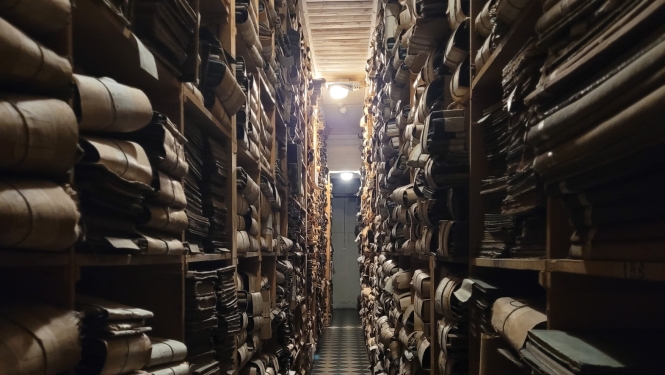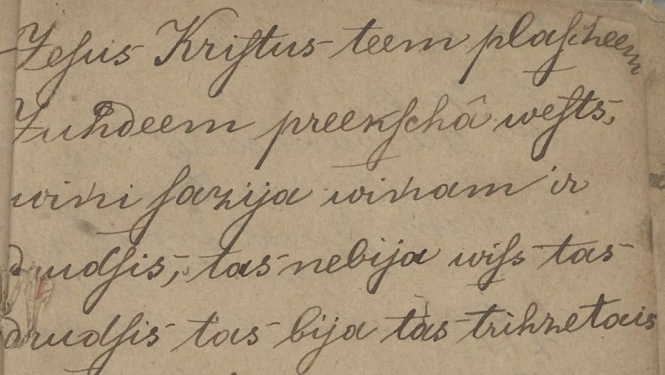
Letters, folklore records, inventory books and early printed texts are helping artificial intelligence learn the diversity of historical texts in Latvian and Russian Imagine a letter written many decades ago: delicate or hurried handwriting, faded ink, paper folds and a smudge where a word should be. Such a document is more than just text. It holds a person’s voice, the mood of an era and experiences that might otherwise go unnoticed. For a human, deciphering historical handwriting can take…
Letters, folklore records, inventory books and early printed texts are helping artificial intelligence learn the diversity of historical texts in Latvian and Russian Imagine a letter written many decades ago: delicate or hurried handwriting, faded ink, paper folds and a smudge where a word should be. Such a document is more than just text. It holds a person’s voice, the mood of an era and experiences that might otherwise go unnoticed. For a human, deciphering historical handwriting can take considerable time and patience. In the future, artificial intelligence could make this work easier, but only if it is trained on sufficiently diverse, carefully prepared examples. This is exactly the purpose of the Interreg Central Baltic Programme…